Oaxaca's Hearth: Heirloom Ingredients and Ancestral Smoked Flavors
Witnessing the preservation of indigenous culinary heritage across the central valleys and cloud forests of southern Mexico.
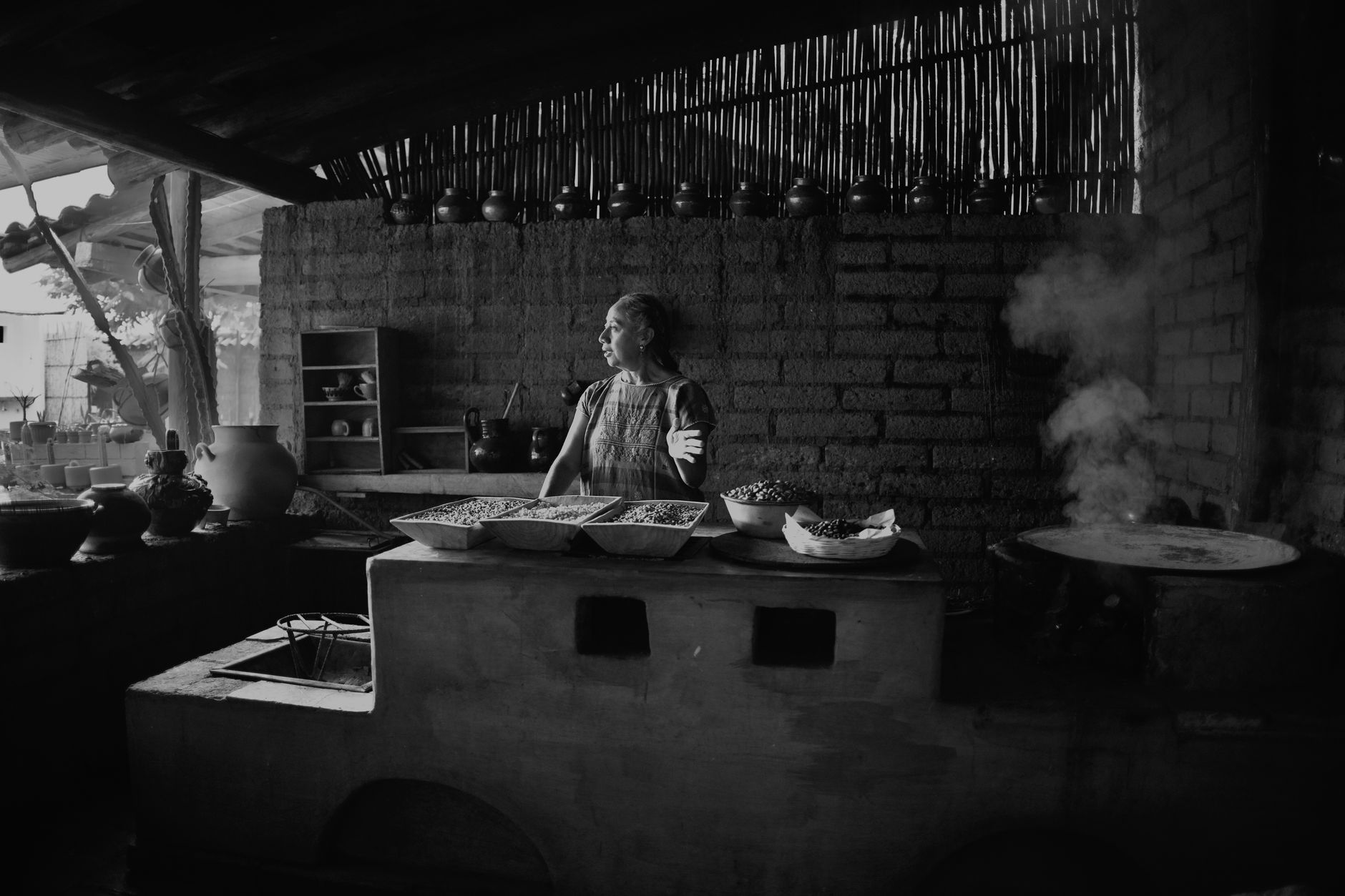
In the indigenous Zapotec and Mixtec dialects of Oaxaca, food is not treated as a commodity, but as a living covenant between the soil, the ancestors, and the family hearth. While global culinary capitals race toward novelty, Oaxaca's most profound dining experiences remain tethered to the comal, the metate, and the smoke of oak wood.
At dawn in the market of Tlacolula, women in embroidered huipiles arrive with baskets of heirloom corn — purple, amber, and blood-red varieties that have been carefully cultivated for thousands of years through meticulous seed selection.
1. The Alchemy of Mole Negro
To watch a traditional cook prepare mole negro is to observe culinary liturgy. Over thirty individual ingredients — dried chilhuacle chilies, charred plantains, Mexican chocolate, cloves, pumpkin seeds, and wild raisins — are individually toasted, ground on volcanic stone, and simmered for hours until a glossy, deep black sauce emerges.
It is a balancing act of smoke, acidity, bitter cocoa, and earthy sweetness that defies European classification and speaks directly to pre-Hispanic memory.
“Artisanal mezcal is bottled geology. Every agave variety carries a decade of sun, limestone soil, and wild fermentation.”
2. In Search of Wild Agave
In the hills of Santiago Matatlán and Santa Catarina Minas, master mezcaleros still roast wild agaves — Tobalá, Tepeztate, and Karwinskii — in conical stone pits beneath river stones and earth. Crushed by hand with wooden mallets and distilled in ancestral clay pots, this spirit possesses none of the industrialized uniformity of mass spirits.
Tasting an artisanal mezcal directly from the still is an encounter with the botanical soul of Oaxaca — nuanced, reverent, and utterly irreplaceable.
Gastronomic Mapping Services
Connect with our culinary specialists for bespoke travel and cellar acquisitions.