Silence in the Dolomites: High Altitude Architecture and Mountain Stillness
A journey into northern Italy's pale limestone spires, where cutting-edge timber design meets age-old Ladin mountain heritage.
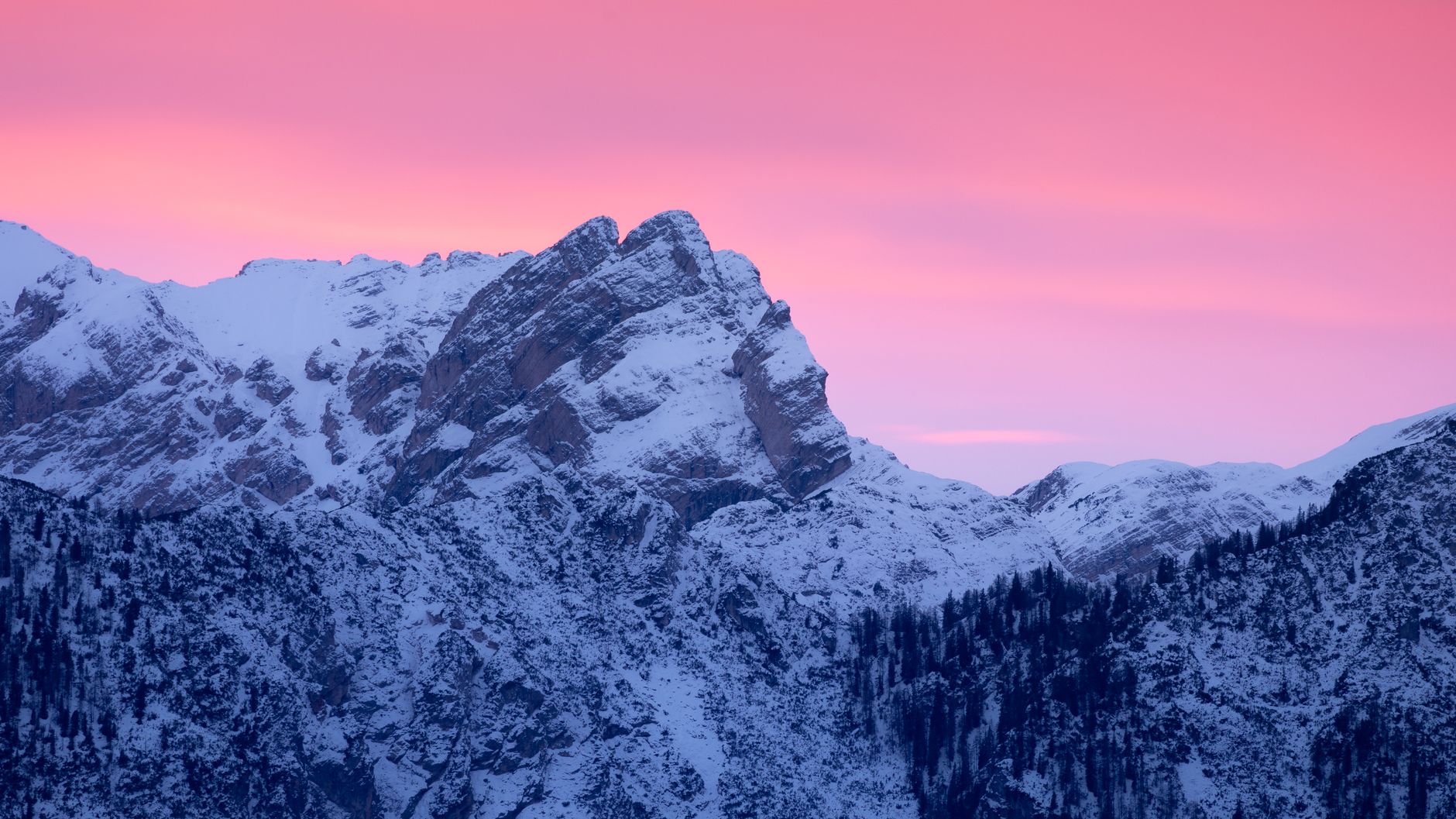
Rising with prehistoric suddenness out of the lush pastures of South Tyrol, the Dolomites are composed of fossilized coral reefs from an ancient ocean, giving them an unmistakable pale luminescence. As evening approaches, the phenomenon of enrosadira bathes these vertical limestone walls in deep crimson and amber.
For centuries, human settlement here was defined by rugged pastoral necessity. Yet over the past decade, a quiet architectural renaissance has taken root across the valleys of Val Badia and Cortina d'Ampezzo.
1. Sustainable Alpine Modernism
Modern rifugi and boutique hideaways are moving away from mock-rustic kitsch. Instead, regional architects are employing local larch, blackened spruce, and rough-hewn porphyry stone to create understated structures that echo mountain contours rather than dominating them.
These buildings function with rigorous passive-house standards, utilizing geothermal warmth and triple-glazed frameless glass to bring the dramatic geology directly into the living room without ecological footprint.
“The mountain demands humility from those who build upon it. The finest architecture here is that which knows how to step back and frame the granite.”
2. The Psychology of Mountain Elevation
Spending several days above two thousand meters resets sensory perception. The absence of industrial acoustic hum allows one to recognize the flight of an alpine chough, the rustle of mountain pine needles, and the crisp clarity of glacial water.
Coupled with South Tyrolean gastronomy — where Austrian dumplings harmonize with Italian olive oils and mountain herbs — the experience delivers a rare recalibration of mind and body.
Planning an Alpine Expedition?
Inquire for access to private high-altitude chalets and guided mountaineering routes.