The Rhythm of Kyoto: A Primer in Slow Mindful Exploration
Navigating Japan's spiritual heart with an eye toward architectural nuance, silent dawn rituals, and the restorative power of Japanese aesthetic philosophy.
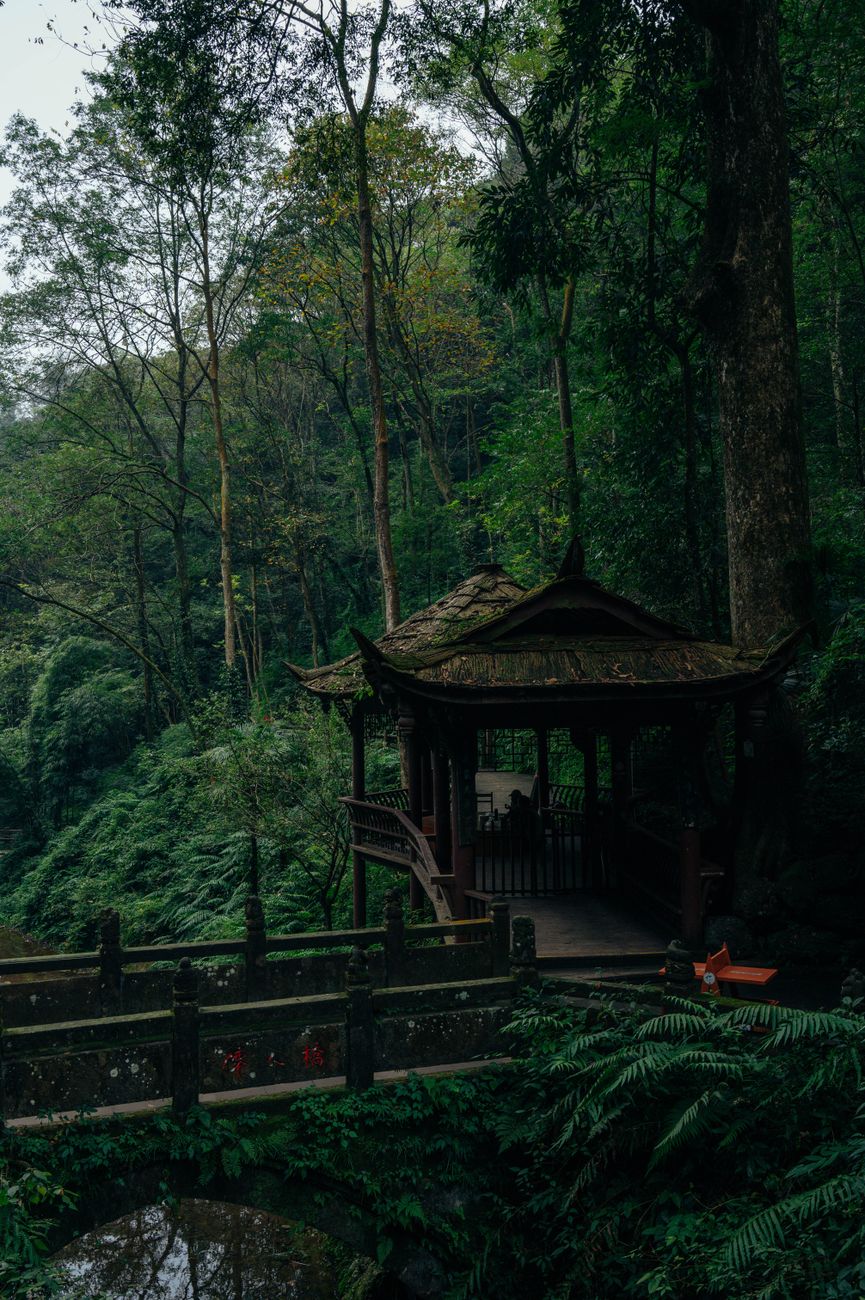
To arrive in Kyoto with a checklist is to misapprehend its very essence. For over a millennium, this city of cedar pavilions and winding riverbeds functioned as the imperial nexus of Japan, perfecting an understanding of beauty predicated not on monumental grandiosity, but on ephemeral subtlety — the concept of mono no aware, or the poignant awareness of impermanence.
While modern avenues hum with commuter traffic, the city's ancient core reveals itself to those willing to align with its natural cadence. The day begins not with storefront shutters, but with the hollow strike of a bronze temple bell reverberating through Higashiyama at five-thirty in the morning.
1. The Geometry of Solitude at Dawn
Most travelers experience Kyoto's UNESCO sanctuaries under the harsh glare of midday crowds. A mindful itinerary demands an inversion of schedule. Walking through the moss gardens of Honen-in before eight o'clock allows one to hear the singular sound of dew falling from cryptomeria needles onto raked sand terraces.
“Architecture in Kyoto is never merely an enclosure; it is an optical instrument calibrated to frame the shifting light of the seasons.”
Here, the separation between interior and exterior dissolves through sliding shoji screens and polished timber verandas known as engawa. Sitting quietly on these cedar thresholds, the visitor is invited not to photograph, but to simply perceive.
2. Staying in a Restored Machiya
To truly grasp the scale of domestic Kyoto living, one must bypass multinational glass towers in favor of a traditional machiya — long wooden merchant townhouses built with interlocking timber joints and interior courtyard gardens (tsuboniwa). These homes breathe with the weather, utilizing earthen plaster walls and bamboo lattice shutters to filter city light into a soft golden haze.
In the evenings, local culinary masters prepare seasonal kaiseki dining centered on pristine Kyoto vegetables (kyo-yasai), yuba tofu skin, and freshly grated wasabi from mountain streams. It is dining elevated to an act of environmental reverence.
Curated Itineraries for Japan
Our advisory desk curates private residences and bespoke cultural visits throughout Kansai.